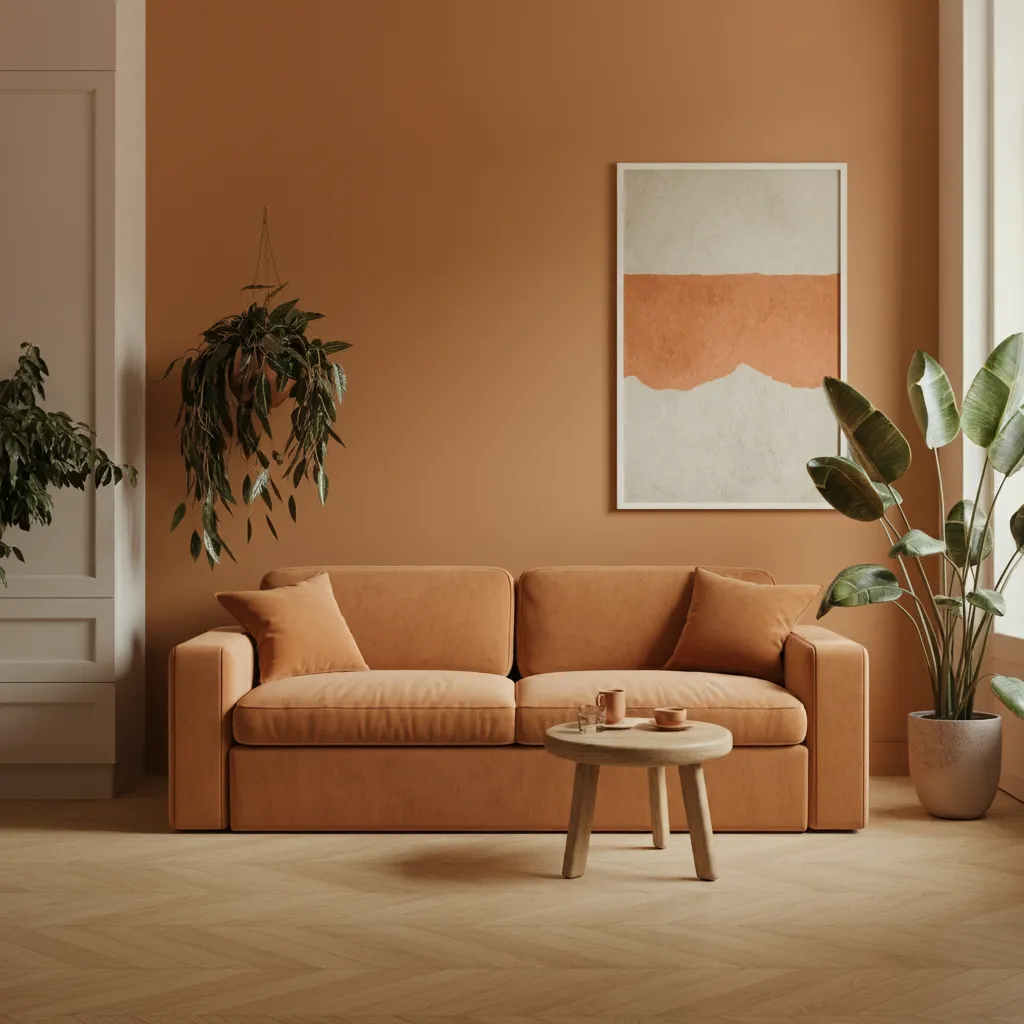
Transforming Your Space: The Power of Interior Design
Interior design is more than just arranging furniture and selecting wall colors. It’s about crafting spaces that not only look beautiful but also enhance our daily lives. Whether you're designing a cozy home or a sleek office space, good interior design can elevate functionality, comfort, and style, creating environments that reflect your personality and serve your needs.
1. The Importance of Interior Design:
At its core, interior design is about improving spaces to make them more functional, aesthetically pleasing, and aligned with the people who use them. A well-designed interior can:
- Maximize the potential of a room, making it feel more spacious.
- Improve the flow of the space, ensuring a harmonious balance between form and function.
- Create environments that are not only visually appealing but also conducive to relaxation, focus, or productivity, depending on the purpose of the space.
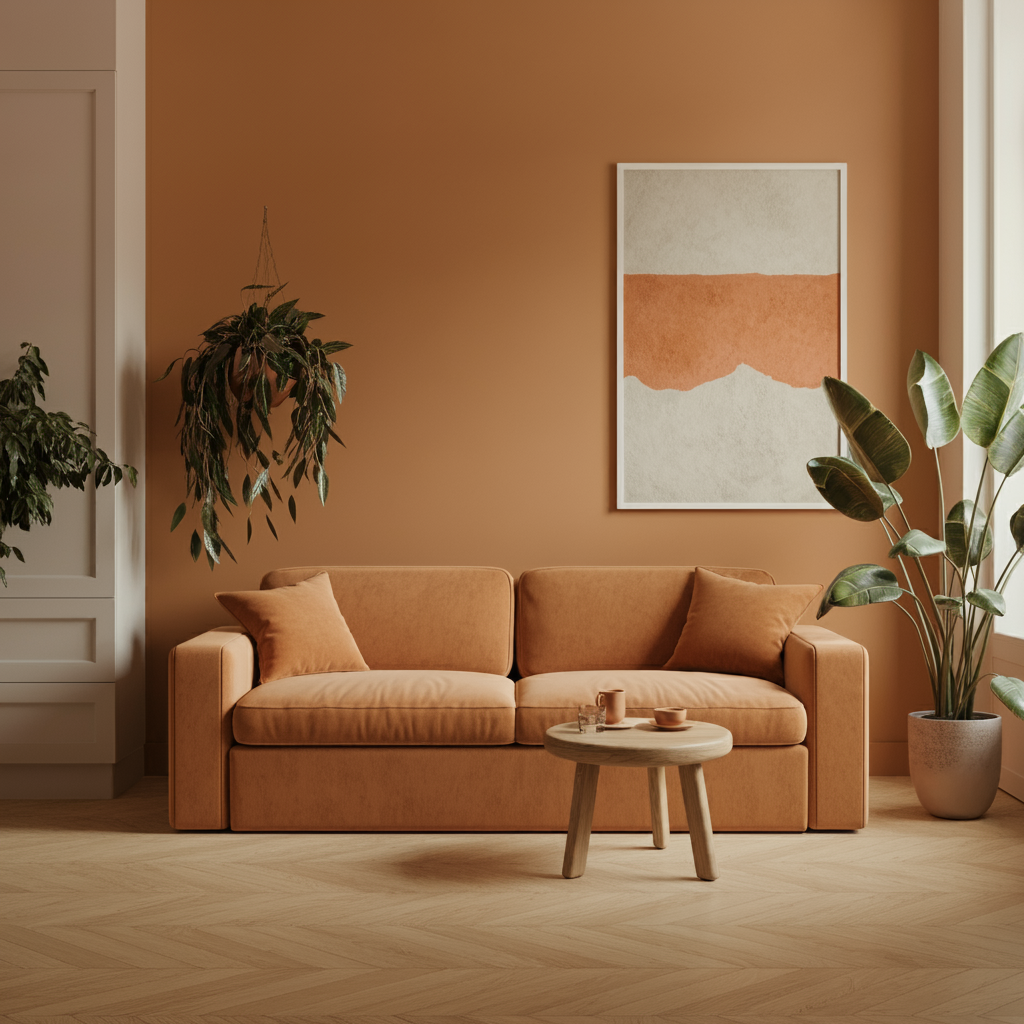
2. Key Elements of Interior Design:
To achieve the perfect design, professionals focus on a few key elements:
- Color Scheme: The colors you choose set the tone for the room. Neutral tones like beige and white create a calm, peaceful atmosphere, while bold colors like red or navy can add energy and dynamism to the space.
- Lighting: Lighting can transform the mood of a room. Natural light brightens up the space and makes it feel open and inviting. Task lighting, like reading lamps, adds function, while accent lighting highlights specific areas or decor pieces.
- Furniture: The selection of furniture can make or break a room’s design. Modern, sleek furniture gives a room a clean, minimalist feel, while vintage or rustic furniture can add character and charm.
- Textures and Patterns: Mixing different textures—such as wood, metal, or textiles—adds depth and interest to a room. Patterns can create visual energy, and using them strategically can break the monotony and inject personality.
- Plants and Greenery: Incorporating plants into interior design not only enhances the aesthetic but also improves indoor air quality. Vertical gardens, potted plants, or even a single statement plant can refresh a space and bring a sense of tranquility.
3. Balancing Style and Functionality
While aesthetics are important, functionality is key in interior design. A space must serve its purpose efficiently. For instance, in a kitchen, design elements should be arranged for convenience, allowing easy movement between appliances. In a living room, the furniture layout should encourage relaxation and conversation.
An interior designer’s job is to blend style and practicality. For example, a small apartment may require multi-functional furniture, such as a sofa bed or expandable dining table, to maximize space.
4. Sustainable Design: A Growing Trend
As environmental awareness grows, many designers are incorporating sustainable elements into their work. This includes using eco-friendly materials, energy-efficient lighting, and even sourcing furniture from companies with sustainable practices. Integrating plants through biophilic design—using natural elements like indoor plants and vertical gardens—is another great way to add sustainability to interiors, promoting well-being and reducing stress.
5. Personalizing Your Space
Your home or workspace should reflect your personality and lifestyle. A good interior designer will listen to your needs and preferences, tailoring the design to suit your tastes. Whether you’re drawn to minimalist designs or prefer bold, eclectic styles, personalizing your space ensures that it feels uniquely yours.
Conclusion
Interior design is an art that goes beyond aesthetics; it's about creating spaces that support your lifestyle and make you feel at home. From choosing the right colors and furniture to incorporating greenery and ensuring functionality, every detail matters. With thoughtful design, you can transform any room into a space that is not only beautiful but also enhances your everyday life.
Whether you're starting a new project or looking to refresh your current space, consider the power of good design—it can truly transform the way you live and work.